
Whether contracting with us to perform the heavy lifting needed to defend the details of your case or utilizing our leading, industry-wide software solution complete with the most up-to-date data sets, our classic scientific approach delivers facts over estimates to keep bias out.
ABOUT
Driver Research Institute
LED BY A TEAM WITH MORE THAN 30 YEARS OF RESEARCH ACROSS HUMAN FACTORS AND INDUSTRIAL ENGINEERING, OUR TEAM OF MS & PH.D'S HAVE BEEN WIDELY CITED ACROSS MOST ASPECTS OF FORENSICS.
ConsultingSOFTWARE

Background
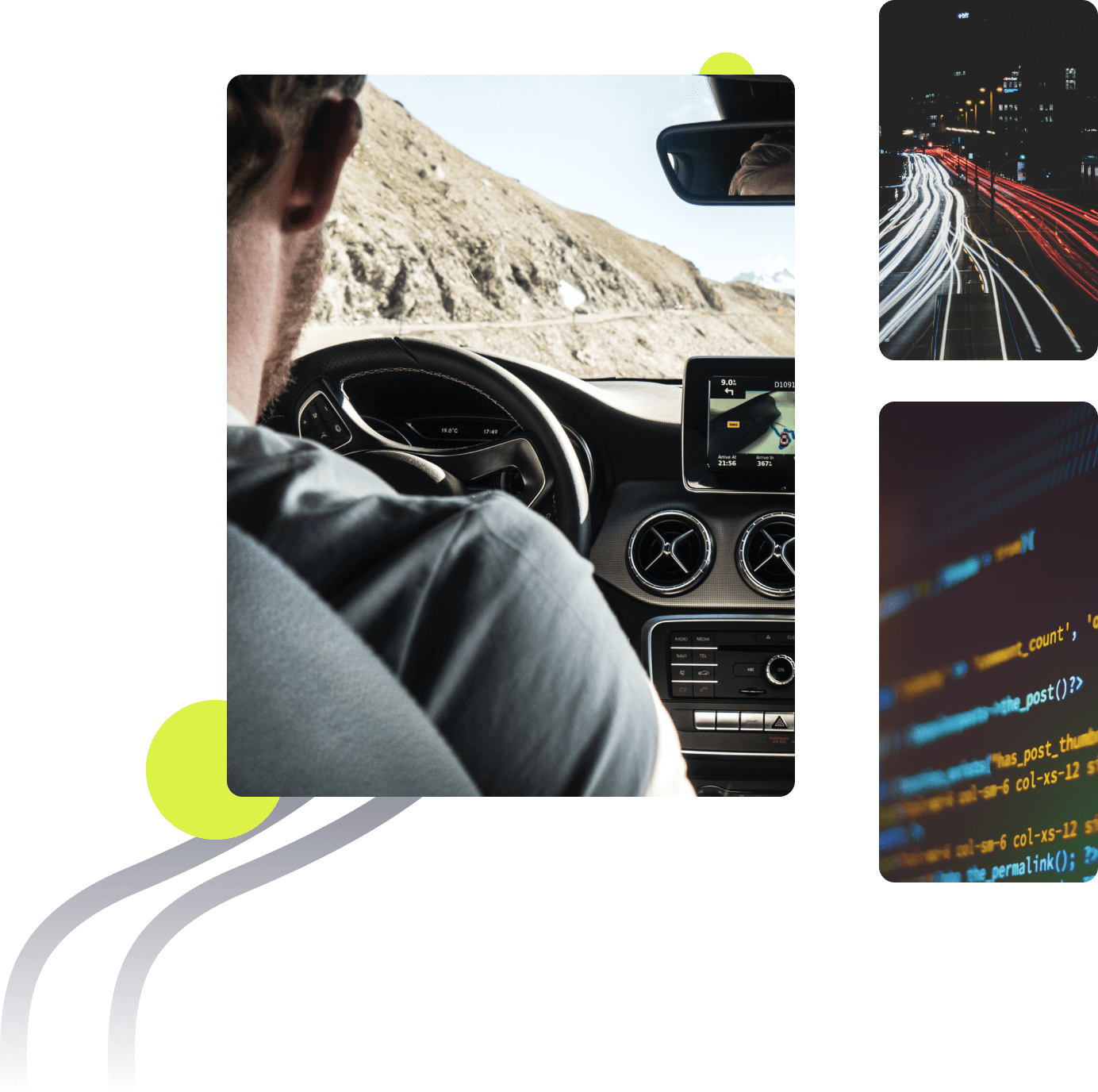
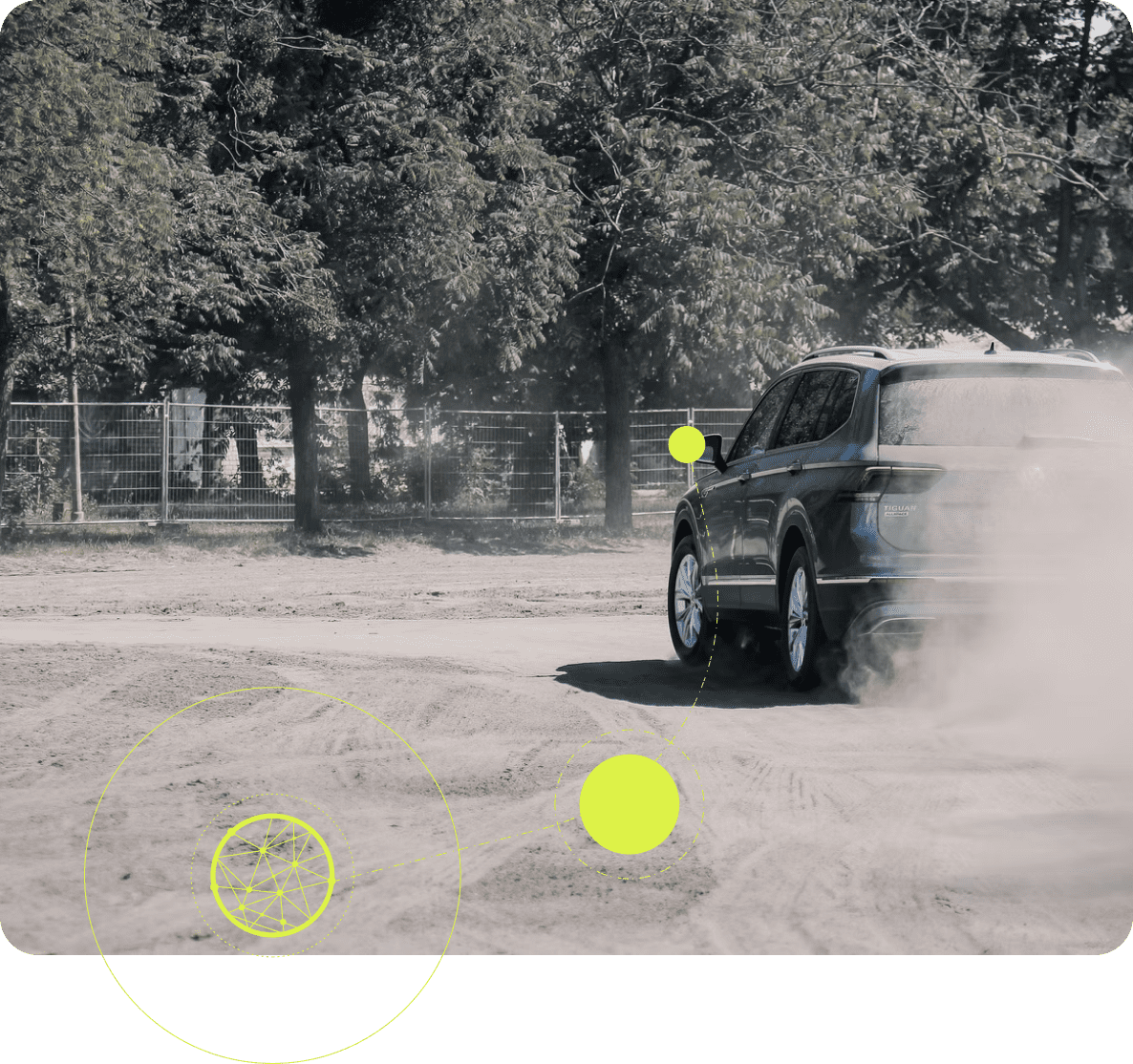
Driver Research Institute is known for its scientific research related to driver, rider, and pedestrian response (human response to traffic). We have conducted research in our laboratory, in the field, on a driving simulator, and in the form of case study research in an effort to learn more about how drivers’ responses change in various circumstances.
When asked to perform a case study, after a thorough analysis of a driver’s response, we compare the performance of the driver to the manner in which others have performed when faced with a similar situation. The case study is then used to further our research efforts in order to better understand the factors that change drivers’ responses. Armed with hundreds of research studies and our own research we are able to provide education in crash cause analysis and human factors across most traffic crash scenarios.
Dr. Jeffrey Muttart
East Hampton CT
Director of research and teaching
Since 1983, Dr. Muttart has consulted on thousands of motor vehicle accidents for both plaintiff and defense cases. He has worked cases and lectured in 47 states and several countries. He has testified regarding issues in the following crash-related topics such as, but not limited to:
- Human Factors influencing driver, rider, and pedestrian response
- Anthropometric traits of driver response in motor vehicle crashes
- Drivers’ acceleration and steering choices
- Pedestrian walking and running speeds
- Lighting and recognition thresholds for drivers
- Perception response time (PRT) and nighttime recognition
- Time and distance (spatial relationship) calculations
- Driver decision making
- Visual Attention
- Lighting and recognition thresholds
- Bulb and lamp examinations
- Vehicle avoidance issues
- Drivers’ speed choices
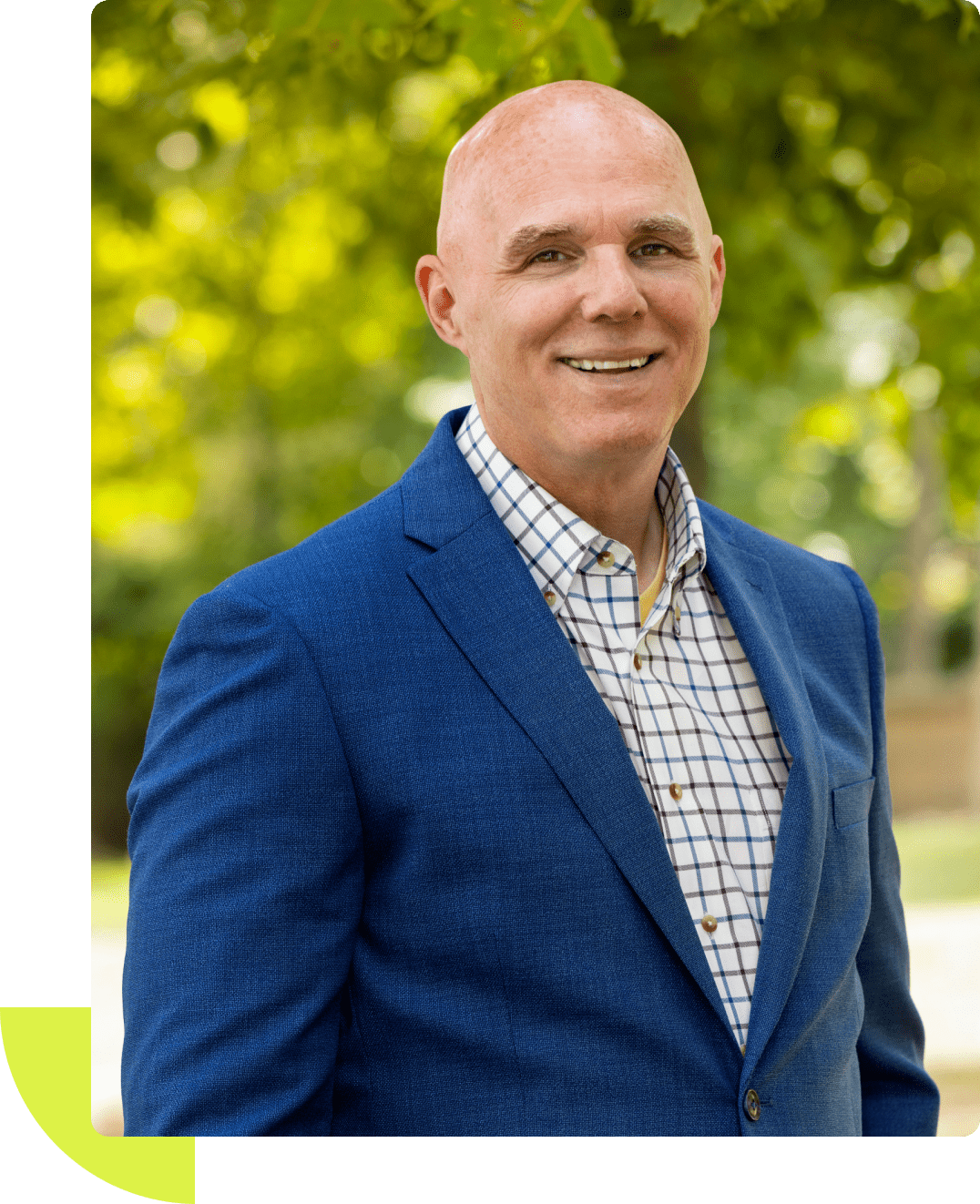

Swaroop Dinakar. M.S.
Long Beach, CA
Managing Scientist- Human Factors, Director of Consulting
Swaroop Dinakar is a Human Factors Scientist and Managing Scientist at Driver Research Institute, where he studies driver behavior and motor vehicle crashes. He earned a Master of Science in Industrial and Systems Engineering from Texas A&M University with a focus on human factors. His research examines perception-response times, nighttime visibility, and driver behavior in real-world traffic events. He has authored several peer-reviewed studies using the SHRP-2 Naturalistic Driving Study to evaluate how drivers respond to hazards. Swaroop also teaches courses on human factors in crash reconstruction and Response® software to investigators and engineers. Since joining Driver Research Institute in 2015, he has provided scientific analysis and testimony in numerous crash investigations.
- Human Factors influencing driver, rider, and pedestrian response
- Perception response time (PRT) and nighttime recognition
- Driver decision making and speed choices
- Driver behavior in automated vehicles
- Performance of retroreflective sheeting on tractor-trailers
- Lighting and recognition thresholds for drivers
- Street lighting and recognition thresholds
- Drivers’ speed choices
Timothy Maloney, M.S
Pennsylvania
Director of research and teaching
Timothy Maloney began his law enforcement career in 1997 as a patrol officer with the Pennridge Regional Police Department (Bucks County, PA), retiring as Sergeant in 2023. Over 26 years, he specialized in collision investigation and partnered closely with the Bucks County DA’s Office, serving as liaison (2009) and Special County Detective (2012). Post-retirement, he joined the Driver Research Institute as a Research Scientist and Collision Analyst, conducting human factors and crash investigation research, teaching through IPTM, and presenting at professional seminars. He holds a B.A. in Criminal Justice from DeSales University and an M.S. in Psychology (Human Factors) from Grand Canyon University.
Key Accomplishments
- More than 25 years of law enforcement experience, including supervisory service as a Sergeant.
- Instructor for the Introduction to Human Factors course through IPTM.
- Appointed liaison to the Bucks County District Attorney’s Office for vehicular collision prosecutions. Sworn in as a Special County Detective for Bucks County in 2012.
- Extensive training and practical experience in collision investigation and crash analysis.
- Holds graduate-level specialization in Human Factors psychology.
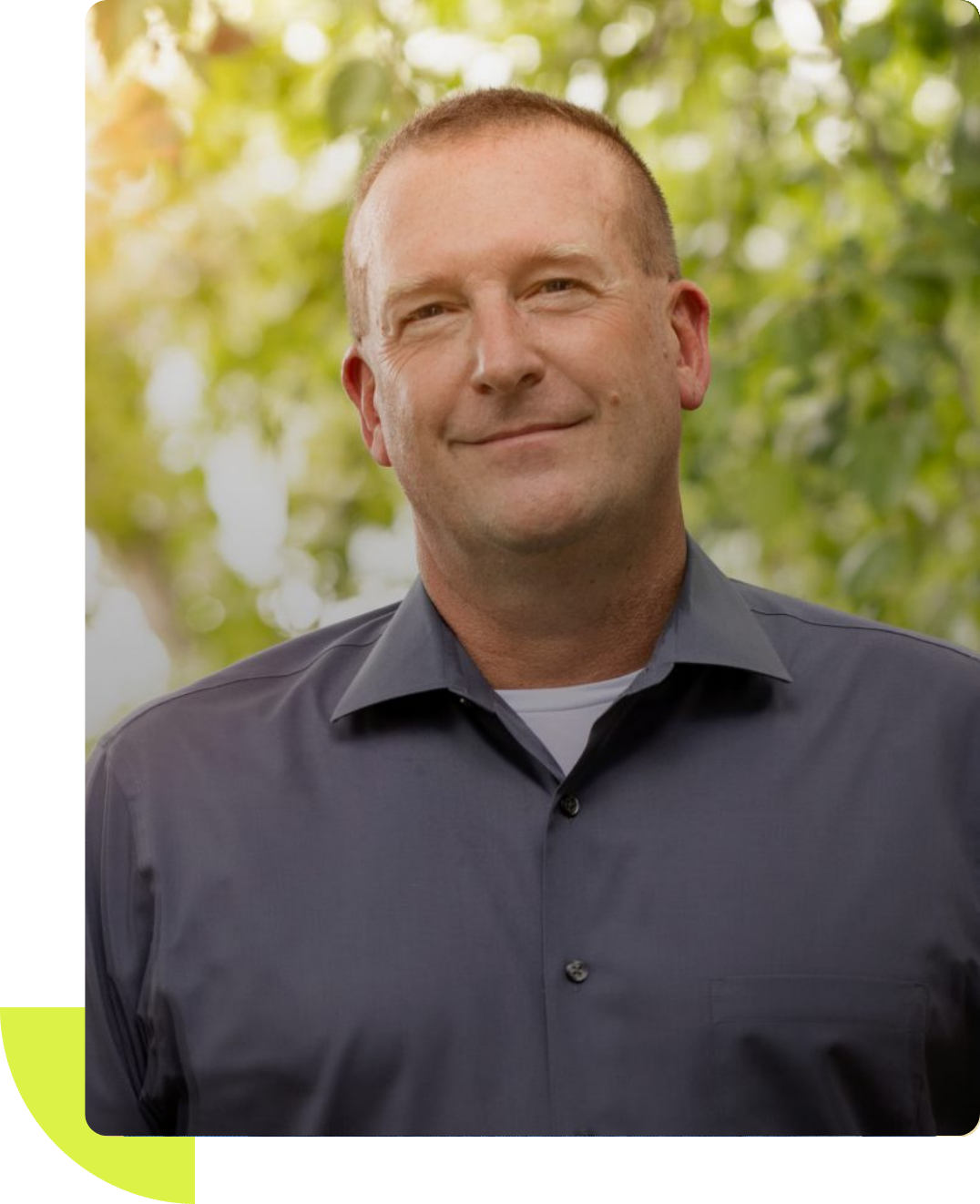

Dr. Bikram Adhikari
Connecticut
Research Scientist
Bikram Adhikari has a PhD in the Computer Science department at George Mason University. His thesis, “Focus-Enhanced Advanced Driver Assistive System,” focuses on improving ADAS alert techniques and the driver’s registration and acknowledgement of the alerts based on driver reaction feedback. He earned a Master of Science in Computer Science from George Mason University with a concentration in Machine Learning. His research focuses on analyzing driver behavior in naturalistic and simulated driving environments and improving ADAS alert systems in perception and alert delivery. He has collaborated with the Federal Highway Administration on multi-city naturalistic driving experiments focused on driver behavior at alternate interchanges. He has also developed and experimented with driver behavior in a mixed fleet of human-driven and AV traffic. He joined the Driver Research Institute as a Research Scientist in 2026, where his expertise focuses on:
- Driver Behavior in Naturalistic and simulated Driving environment
- Sensor processing, sensor data analysis and inference
- Crash data processing, inference and visualization
- Develop tools and techniques to facilitate crash investigation.
Administrative Team
Locations
EAST HAMPTON, CT
LOS ANGELES, CA
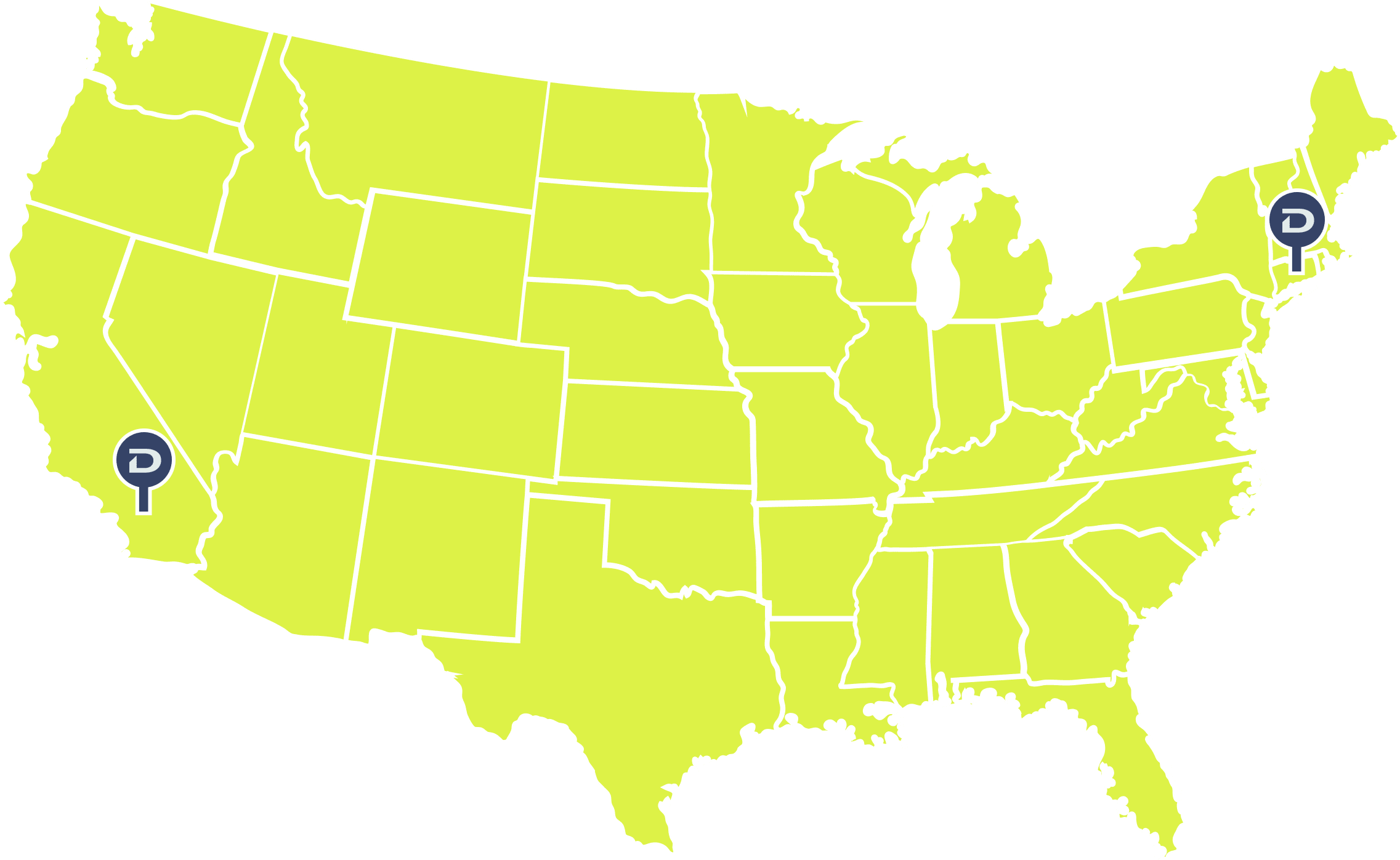
Our forensic consulting firm, with offices in East Hampton, Connecticut, and Los Angeles, California, offers comprehensive nationwide service. This strategic positioning allows us to efficiently manage collision investigations across the country. Our expert team specializes in human factors, providing insightful and prompt expertise in a variety of cases, ensuring our clients receive exceptional support, no matter their location.
Locations
EAST HAMPTON, CT
LOS ANGELES, CA
Our forensic consulting firm, with offices in East Hampton, Connecticut, and Los Angeles, California, offers comprehensive nationwide service. This strategic positioning allows us to efficiently manage collision investigations across the country. Our expert team specializes in human factors, providing insightful and prompt expertise in a variety of cases, ensuring our clients receive exceptional support, no matter their location.
Expertise

HUMAN FACTORS
How drivers interact with vehicles and their environments.

ANTHROPOMETRIC TRAITS
Our database includes human heights, weights, walking and running speeds and many more…

HAZARD ANTICIPATION
Drivers’ speed choices, lane positions, and glancing behaviors in non-emergency situations.

PERCEPTION REACTION TIME (PRT) & DRIVER DECISION MAKING
Drivers’ response times and response choices in emergency situations.

NIGHTTIME RECOGNITION
Drivers’ abilities to recognize objects at night.

INFLUENCE OF STREET AND VEHICLE LIGHTING
The influence of illumination and luminance on nighttime recognition behaviors.

VEHICLE AVOIDANCE ISSUES
The distance needed to steer, slow, or stop when trying to avoid an obstacle.

TIME AND DISTANCE CALCULATIONS
Determining where each driver or pedestrian was at various points in time.
Experience
With more than 30 years of experience, our crash reconstruction work has survived intense scrutiny during depositions, discussions and trials. Dr. Muttart has been recognized as an “Expert Witness” in Superior Courts and our scientific approach and software solution is recognized for use in more than 14 countries. Acceptance of our approach is primarily because Dr. Muttart believes, as does the U.S. Supreme Court in its rulings, that his opinions should be obtained using accepted scientific methods. To achieve this, we conduct independent research and obtains additional training on a yearly basis. Our integrity does not stop with establishing a proper scientific methodology for our conclusions. We also believe in giving our clients an honest assessment of how a collision occurred and a fair amount of work for their money.

Published Papers
While we cover many areas of research our published papers are focused across Driver Response Times and Nighttime Recognition.

Driver response time in cut-off scenarios from the Second Strategic Highway Research Program Naturalistic Database
Transportation research record
2676 (2), 706-717
Swaroop Dinakar, Jeffrey W Muttart, Darlene E Edewaard, Michael Giannone, Connor Dickson (2022)
Drivers’ Responses to Lead Vehicles: Thresholds for Triggering an Emergency Response, Age Differences, Crash Risks, and Influence of Secondary Task Engagement
SAE Technical Paper, 01-0898
Jeffrey Muttart, Swaroop Dinakar, Darlene Edewaard (2021)
Factors that Influence Drivers' Responses to Slower-Moving or Stopped Lead Vehicles
SAE Technical Paper, 01-0890
JW Muttart, M Kuzel, S Dinakar, S Gernhard-Macha (2021)
Interested in Working with us?
From private consulting to software and training, along with our events and seminars, let us know how we can help you.
Interested in Working with us?
From private consulting to software and training, along with our events and seminars, let us know how we can help you.
TALK TO US