
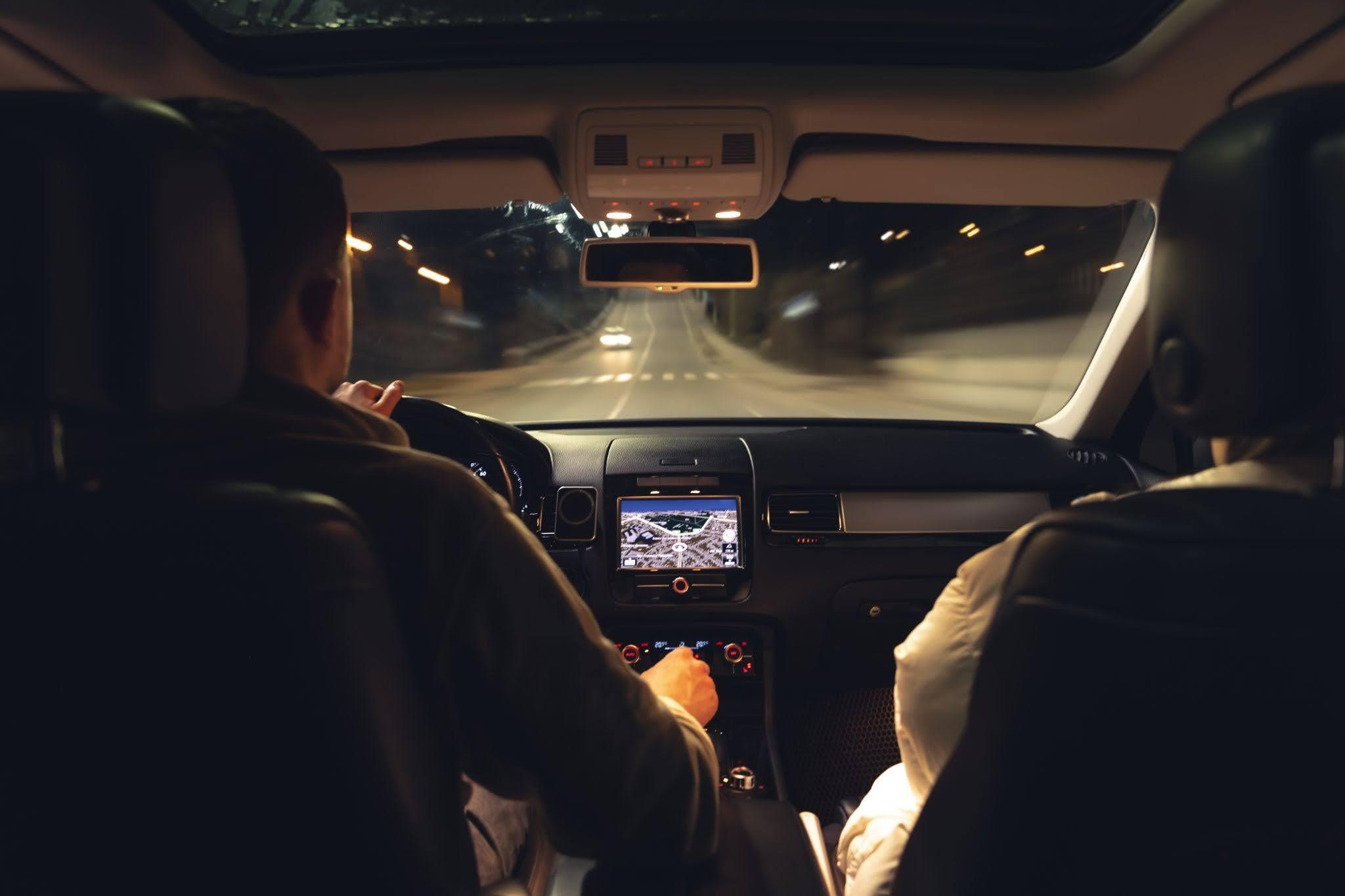
Summary: The biggest mistake investigators make with nighttime recognition distance is relying on a generic or assumed visibility number instead of analyzing the actual conditions of the crash. Recognition depends on factors such as contrast, lighting, anticipation, object pattern and size, headlight performance, weather, glare, roadway conditions, and object movement. Response helps investigators establish a research-backed recognition distance by comparing case-specific conditions with published nighttime driving research and headlight data. This creates a more defensible starting point for evaluating driver perception-response time, braking, and crash avoidability.
The biggest mistake investigators make with nighttime recognition distance is reducing it to one factor.
Too often, recognition distance gets treated like a blank to fill in. It’s pulled from memory, borrowed from a daytime sight line, or carried over from a scene visit made in better conditions.
In reality, it is an outcome shaped by the headlights on the vehicle, the surface of the road, the weather on the night of the crash, and what the object was doing in the beam.
An analysis anchored to a borrowed number carries the same error through every step that follows, all the way to the conclusion about whether the crash could have been avoided. On the other hand, an analysis based on the conditions of the case stands on evidence instead of habit.
Let’s walk you through where the assumption comes from, why it holds up so poorly under scrutiny, and what a grounded nighttime visibility distance analysis looks like instead.
The Mistake, Stated Plainly
Many investigators estimate recognition distance instead of establishing it.
The estimate usually arrives in one of two forms. Sometimes it borrows from daytime sight lines, as if a clear line of sight during a scene visit reflects what a driver perceived in darkness. Other times, it applies a generic “drivers can see X feet at night” figure lifted from memory rather than from the conditions of the case.
Both shortcuts share the same flaw. They skip the question at the center of the analysis: at what distance would a typical driver, using these headlights, on this road, in this weather, recognize this object as something requiring a response?
Why the Shortcut Feels Reasonable
We all drive at night. It seems reasonable to trust our sense of how far the road reveals itself.
But personal experience is a sample size of one. It reflects your eyes, vehicle, and typical routes. It does not reflect the range of drivers, vehicles, and conditions research is built to describe. When an opinion rests on “I could see it fine when I visited the scene,” it rests on the wrong observer under the wrong conditions.
There is a second reason the shortcut persists. Nighttime visibility in driving looks like a single lighting problem. Measure the beam, note the streetlights, photograph the road, and it can seem as if the visibility question has been answered. While these measurements are important, they are not, by themselves, a recognition distance.
Hindsight Makes Every Hazard Look Obvious
Nighttime reconstruction has a hindsight problem baked right into it.
The investigator knows where the crash happened, which object is important, and exactly where to look on a test drive. The driver knew none of that.
And the investigator can take their time. They can revisit the scene, wait for the object to come into view, pause a video, zoom in on a photo, or brighten an image until the detail jumps out. The driver got one pass: in motion, with seconds on the clock and no second chances.
A later inspection might confirm the object was physically there and catching light. It doesn’t prove the driver could have identified it as a hazard from the same distance. So “I could see it fine on my test drive” has to be handled with care.
The investigator is hunting for a target they already know is there. The driver was scanning an ordinary road with no idea anything unusual was waiting.
CLAPS Shows Why One Measurement Never Cuts It
A helpful way to think about hazard detection at night is through CLAPS: Contrast, Lighting, Anticipation, Pattern, and Size. Together, these five factors explain why a single measurement can never settle the question of when a driver could recognize a hazard.
Contrast: Dark clothing against a dark shoulder can blend right into the pavement and shadows. Change the background, and the same person becomes much easier to pick out.
Lighting: Different headlights and streetlights throw different patterns. Rain, glare, a dirty windshield, or oncoming headlights can cut into what the driver has to work with.
Anticipation: Someone near a marked crosswalk is a lot more expected than someone laying down in a travel lane on a dark rural road.
Pattern: A pedestrian crossing sideways often gives a clearer cue than someone walking with traffic. The same goes for vehicle lights, reflective markings, and the angle a trailer happens to be sitting at.
Size: Far away, there’s not much detail to go on. As the gap closes, the shape and movement get easier to make sense of.
The catch is that CLAPS works as a set. Great lighting won’t rescue weak contrast. A big object can still be hard to identify if its shape doesn’t add up. And something can be perfectly visible and still go unrecognized if the driver had no reason to expect it there.
Headlights Are Not Interchangeable
Another layer of the mistake is treating every lighting system as equal.
The headlights on the subject vehicle aren’t a generic light source. A worn halogen reflector, a modern LED array, and a misaimed unit all put out very different amounts of usable light. Age, condition, and aim all move the recognition point. Two similar crashes on the same road can end up with different nighttime recognition distance values simply because the vehicles carried different lighting.
A single assumed figure swaps in an “average” headlight for the real one, and the average may have nothing to do with the vehicle in the case. A solid analysis identifies the actual lighting system, considers its real condition, and asks whether its output that night was typical, weaker, or stronger than comparable vehicles of similar age.
Recognition Distance Starts the Driver-Response Clock
Recognition distance sets when the driver’s response period begins. Once the hazard is recognizable, the driver still needs time to process it, choose an action, and start braking or steering. The vehicle keeps moving the whole time.
At about 68 mph, a vehicle covers roughly 100 feet every second. Move the assumed recognition point 100 feet earlier, and you’ve handed the driver about an extra second: enough to change the conclusion about how they performed.
Start the clock too early, and a normal response can appear slow. Start it too late and a delayed response may look reasonable.
The starting point should not come from a brightened video frame or repeated inspection pass alone. It should be tied to scene conditions and comparable nighttime research.
A Pedestrian Can Be Lit Up Long Before Anyone Recognizes Them
Say there’s a pedestrian on a dark road with barely any ambient light. An inspection shows they start catching headlight light a few hundred feet out. The investigator, standing still and knowing exactly where to look, spots them right there.
It tells us almost nothing about recognition.
- What was the pedestrian wearing?
- Were they crossing the road or moving with traffic?
- Was there background lighting or oncoming glare?
- Was the pavement wet?
- What headlamp system was on the vehicle?
- Did anything give the driver reason to expect a pedestrian there?
Light clothing and someone crossing sideways is a totally different target than dark clothing and someone walking with traffic. Essentially, the question is where the lighting, contrast, pattern, size, and expectation finally gave the driver enough to identify the hazard.
Stopped Cars Are a Different Kind of Problem
Vehicles cause the same mistake in a different shape. A driver can see taillights ahead and still not realize the car is stopped or crawling. The car’s visible. The fact that they’re closing in fast isn’t.
A driver might read a pair of taillights as normal traffic, then figure out way too late that the gap is shrinking fast.
An angled tractor-trailer is another one. Reflective tape can bounce light back without telling the driver how the thing is sitting across the road. Both cases show why seeing and recognizing aren’t the same. Seeing it is step one. The driver still needs enough to know what it means.
How Response Helps
Response is designed around this kind of comparison.
Rather than slapping one standard recognition distance on every case, it pulls from research on pedestrians, vehicles, roadway objects, headlight performance, and driver behavior.
You can account for object color, movement, ambient light, headlight type, streetlights, rain, oncoming glare, and windshield tint, then compare all of it against research on similar nighttime situations. Thousands of headlight maps let you work with the actual headlights on the vehicle in your case, instead of pretending every system performs the same.
For tractor-trailers, it can look at reflective performance and how the viewing angle changes what reaches the driver.
Since drivers vary, you don’t get one exact number for everyone. You get a research-backed range for the case, and it gives you a solid place to start. From there, recognition distance links up with nighttime perception-response time, braking, steering, speed, and how much room was left before impact.
The Better Question: When Did It Mean Something?
Nighttime analysis gets a lot better once you stop treating visibility as a simple yes or no. Just because an object showed up somewhere in the driver’s view doesn’t mean they had enough time to react to it.
When headlights, road, weather, hazard, and driver are examined together and matched to relevant research, the recognition distance stops being a guess and becomes something another expert can test.
Want to build your next nighttime opinion on research instead of guesswork? See how Response connects real scene conditions to published recognition data, headlight performance, and driver behavior. Get in touch with the Driver Research Institute to request a demo.